en

 Ticket sale
Physics

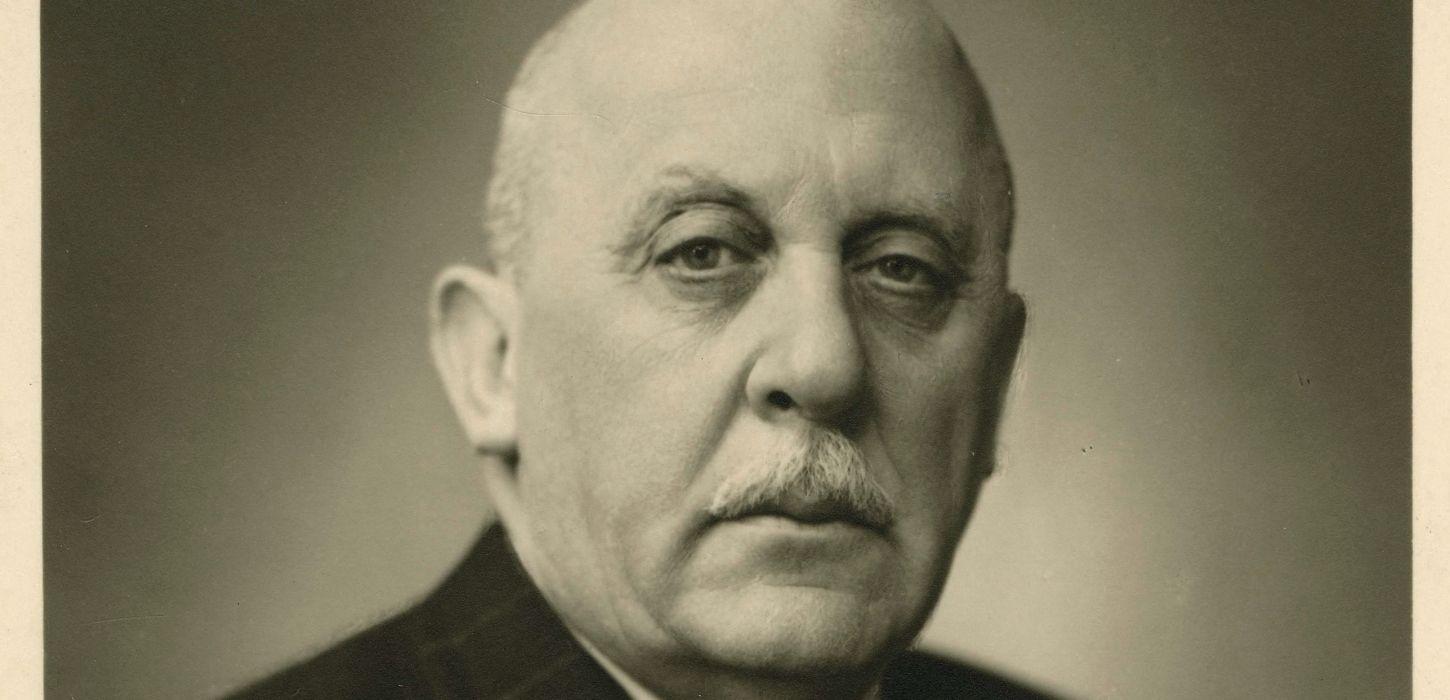
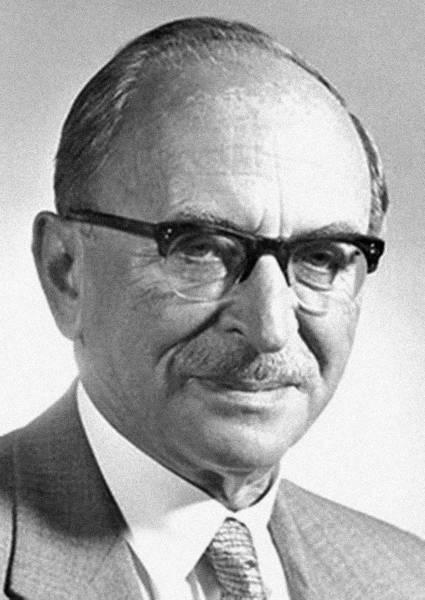
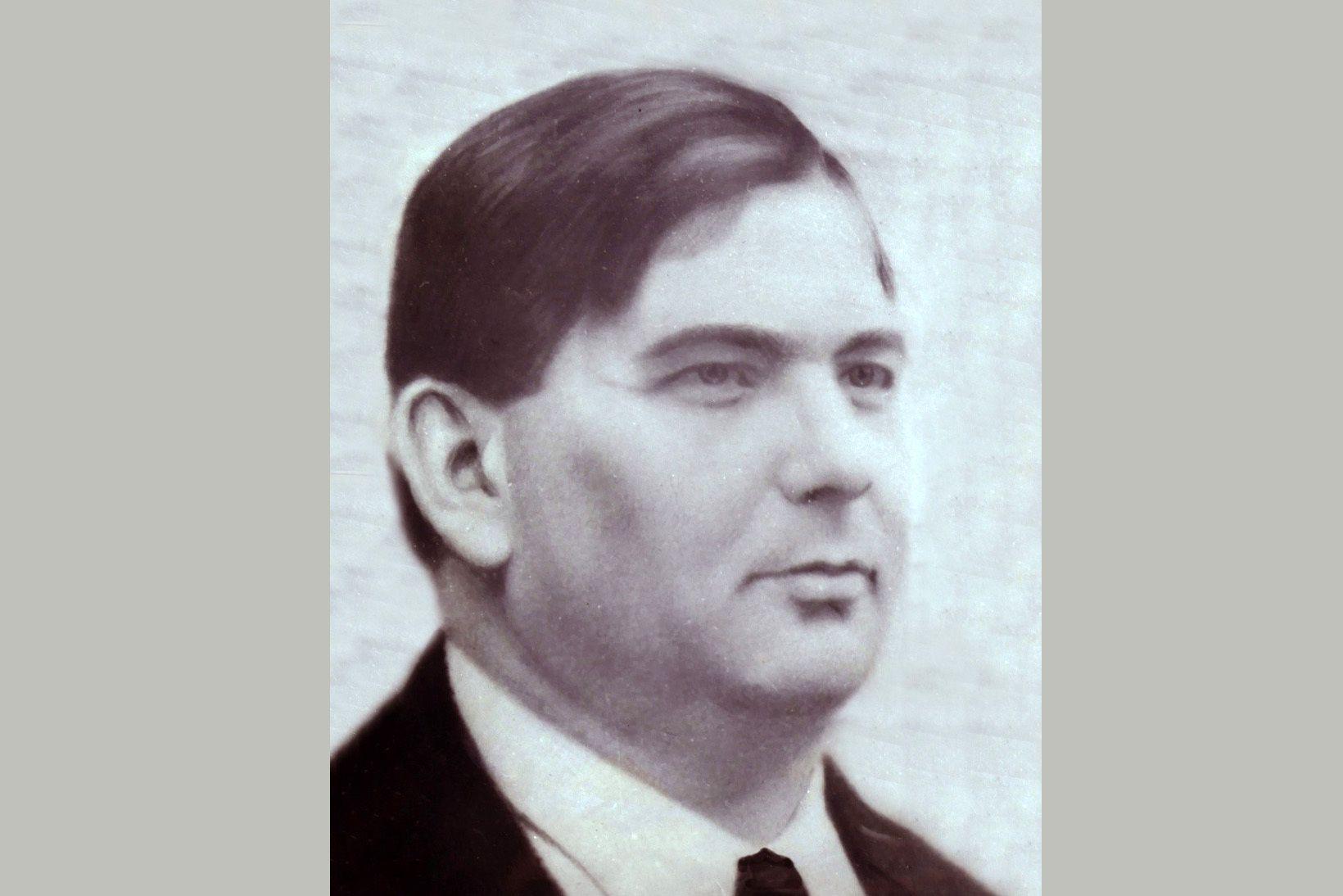
I was born in Gyula, Hungary. There are many famous people among my relatives. As a physicist, I am the inventor of the krypton electric bulb.

Birth name
Bródy Imre
Born
1891-12-23, Gyula
Deceased
1944-11-25, Austria
Education
Pázmány Péter University of Sciences

Profession
Physics
Scientific Degree
Philosophiæ Doctor (Phd.)
Awards

His father, Adolf Bródy, had a well-established law firm in Gyula, and his mother was Róza Steinfeld. The family had several notable members, including the writer Sándor Bródy and the parliamentary representative Ernő Bródy. He completed his elementary and first year of middle school in his hometown, and from 1902 to 1909, he studied at the state high school in Arad. Between 1909 and 1913, he was a student of mathematics and natural sciences at the Royal Hungarian Pázmány Péter University of Sciences in Budapest. After completing his practical year, he received his teaching certificate in 1915. From July 1, 1923, he became a member of the research laboratory led by Ignác Pfeifer at the United Incandescent Lamp and Electrical Company (better known as Tungsram), and he remained a leading associate there until the end of his life. Imre Bródy was in the prime of his creative power at the age of 53 when the deportation of Hungarian Jews began following the German occupation of Hungary in 1944. Zoltán Bay secured an exemption for Imre Bródy, but he chose to share the fate of his family and voluntarily went to certain death with them. After being captured, he and his family were transported to Mühldorf in Bavaria. Bródy was registered as a carpenter in the labor camp, likely in hopes of lighter work, and it was only later in the American army's records that his name appeared as an engineer.

By defending his dissertation titled "Theoretical Determination of the Chemical Constant of Monatomic Ideal Gases," he received a doctoral degree with distinction on June 13, 1918. During the doctoral examination, his knowledge of physics, chemistry, and mathematics was awarded summa cum laude by Loránd Eötvös, Gusztáv Buchböck, and Lipót Fejér. In 1919, he became an assistant professor at Pázmány Péter University of Sciences, and from 1920 to 1922, he worked as an assistant to Max Born at the University of Göttingen. As an introduction, Bródy was allowed to present his 1918 doctoral dissertation on the calculation of the chemical constant of monatomic ideal gases at a seminar. His work was later published in German, earning him recognition, and within just two years, he had published seven papers, with the most important four co-authored with Born. These papers continued the work that Born had begun in 1912 with Tódor Kármán on the Born-Kármán theory of crystal dynamics. The Born-Kármán theory treats small amplitude atomic vibrations around lattice points as non-interacting phonons. In 1921, Max Born and Imre Bródy investigated the interaction of phonons using perturbation theory, establishing the Born-Kármán model as a fundamental theoretical tool for crystal dynamics.
In 1922, upon the initiative of Lipót Aschner and the invitation of Ignác Pfeifer, he returned to Budapest. Starting July 1, 1923, he became a member of the research laboratory led by Ignác Pfeifer at the United Incandescent Lamp and Electrical Company (better known as Tungsram), where he remained a leading associate until the end of his life. His significant and partly literally spectacular results included lattice dynamics and the krypton lamp. He studied the effects of the length and weight of filaments, the deposition of tungsten powders, the fitting of iron wires to glass, the lifespan of various lamp types, the burning of incandescent lamps under fluctuating voltage, and, together with Mihály Neumann (brother of John von Neumann), the possibility of producing high-pressure lamps. He participated in the Ortvay colloquiums, delivering lectures on the electron theory of metals.

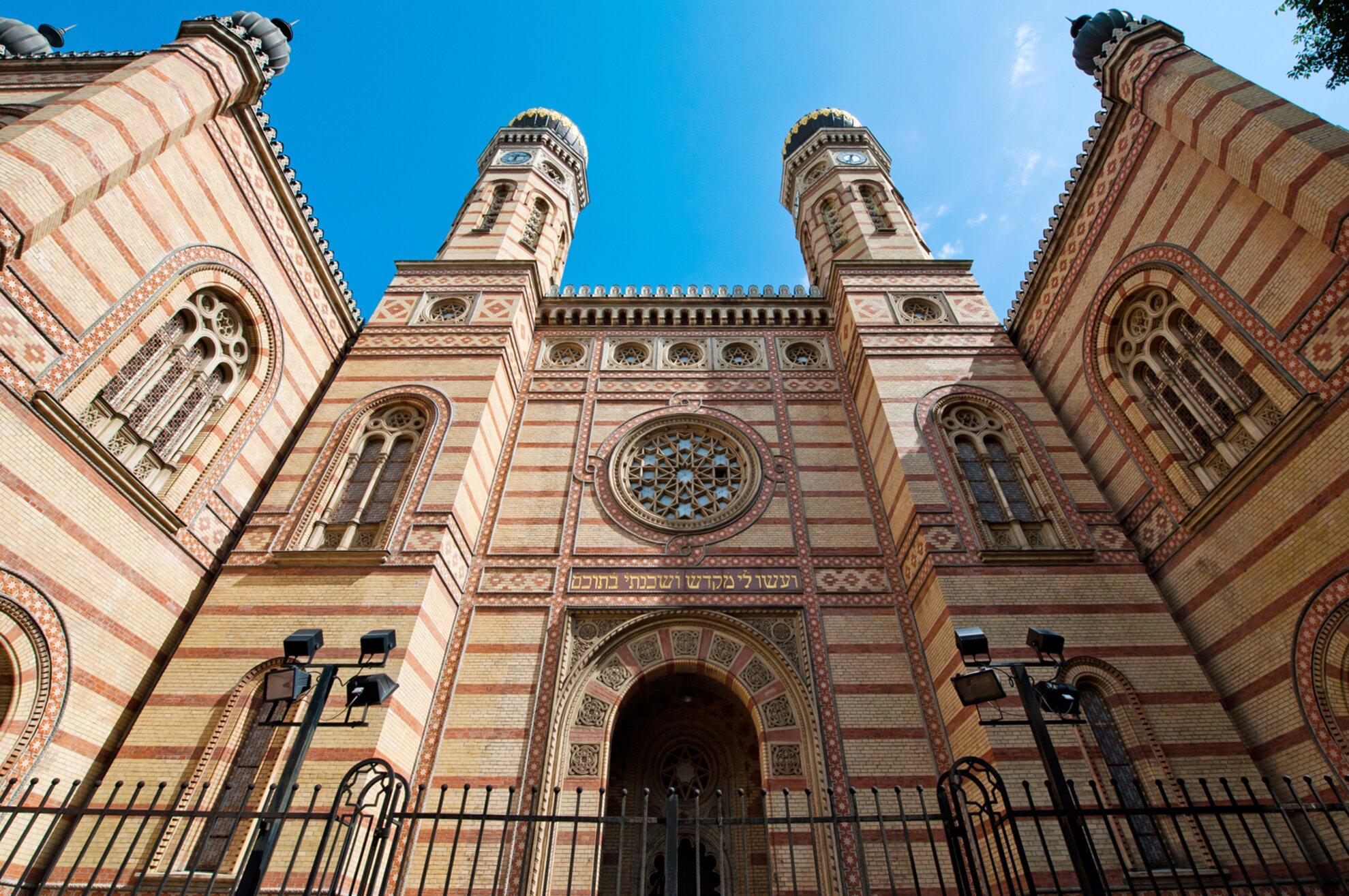
The Dohány Street synagogue is one of Budapest’s touristic highlights as it is the largest synagogue in Europe and the second largest in the world. The synagogue was built in 1859 in the Moorish style and it can seat 3000 people. Its huge size demonstrates the significance and the high economic and cultural standards of the Budapest Jewry of the age.
The temple was designed by Ludwig Förster (1797-1863), a German architect, professor of the Vienna Academy. The clerk of works was the architect Ignác Wechselmann (1828-1903) who later bequeathed his entire wealth to the Institute of the Blind. After Förster left, Frigyes Feszl, the famous architect of the Budapest Vigadó designed the temple’s inner sanctum. The official consecration of the synagogue took place on 6 September 1859. The interior of the synagogue is 1200 square metres, the towers are 44 metres high. There are 1497 seats for men downstairs and 1472 for women in the galleries, altogether the seating capacity of the flat-ceilinged inner space is nearly 3000 people.



 Atomic physics