en

 Ticket sale
Inventor

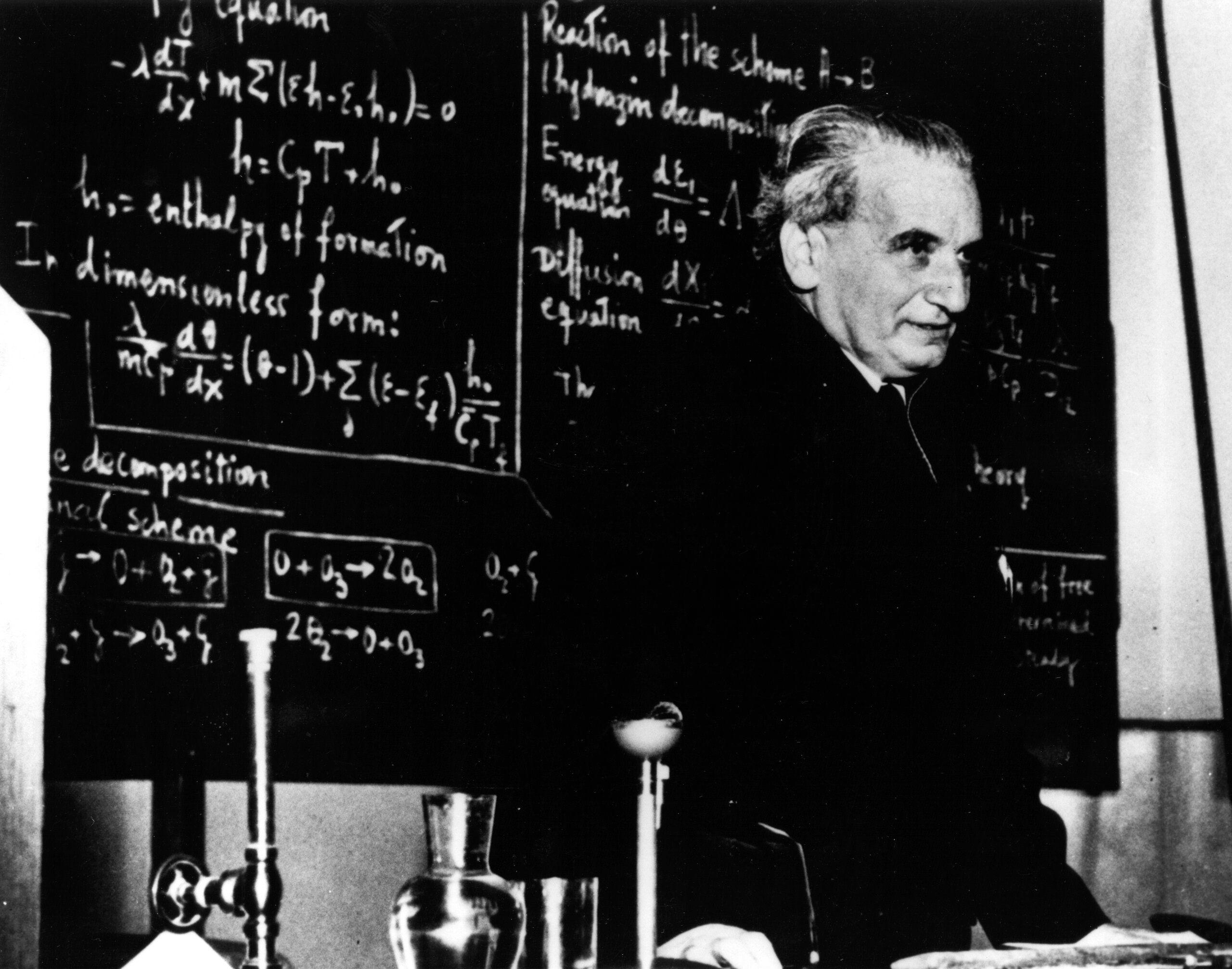
I was born in Budapest, to a family of respected Jewish intellectuals. My father, Mór Kármán, was a philosopher and university professor, who received a nobleman’s title for his efforts in pedagogy

Birth name
Born
1881-05-11, Budapest
Deceased
1963-05-06, Germany
Education
Budapest University of Technology and Economics
University of Göttingen

Profession
Inventor
Scientific Degree
Philosophiæ Doctor (Phd.)
Awards
National Medal of Science
Daniel Guggenheim Medal
Franklin Medal
Timoshenko Medal
Elliott Cresson Medal
Légion d'Honneur

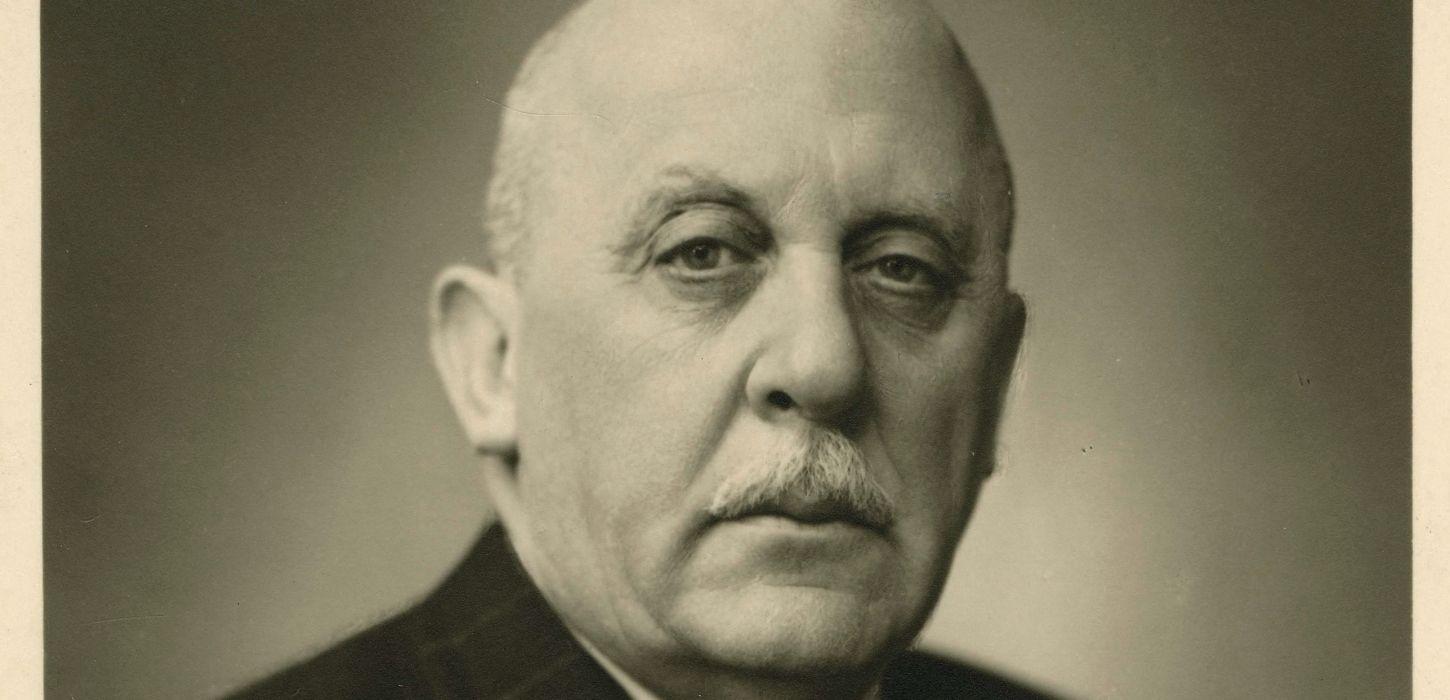
Theodore von Kármán, born Tódor Kármán, was the third child of a Budapest-based Jewish family with Czech roots, which included several intellectual ancestors. Among his notable forebears was Rabbi Judah Loew ben Bezalel, a renowned scholar. His father, Mór Kármán, was a well-respected professor of philosophy and pedagogy at the University of Budapest and played a significant role in shaping university-level secondary school teacher training. His mother was Ilka Kohn. His older brother, Elemér Kármán (1876–1927), was a criminologist, psychologist, and lawyer.

Kármán's education began at home, where he quickly showed a talent for arithmetic, impressing his family by multiplying five- and six-digit numbers in his head by the age of six. He started formal schooling at the age of nine at the Royal Hungarian Teacher Training College's Practice High School, often referred to as the "model gymnasium" in Budapest. In 1898, he won the prestigious national Eötvös József Prize, awarded to the best student in mathematics and science in Hungary.Despite his initial plans to study pure mathematics abroad, family circumstances, including his father's nervous breakdown and financial constraints, forced him to stay in Budapest. He enrolled at the prestigious Royal Joseph Technical University, where he studied under the guidance of the renowned professor Donát Bánki in the mechanical engineering department. Kármán graduated with honors in 1902 at the age of 22.In 1906, Theodore von Kármán traveled to Germany to continue his studies at the University of Göttingen (Universität Göttingen) with a scholarship from the Hungarian Academy of Sciences. There, he worked under the supervision of the renowned professor Ludwig Prandtl, focusing on hydrodynamics, aerodynamics, boundary layer theory, and airfoil theory.Kármán's contributions to the field of aeronautics were groundbreaking. In 1933, he founded the Institute of Aeronautical Sciences in the United States, where he initiated research in various areas, including the mechanics of fluids, turbulence theory, and supersonic flight. He also explored the application of mathematics to mechanical engineering, aircraft structures, and soil erosion. His work laid the foundation for many advances in these fields and solidified his reputation as one of the foremost aeronautical engineers of the 20th century

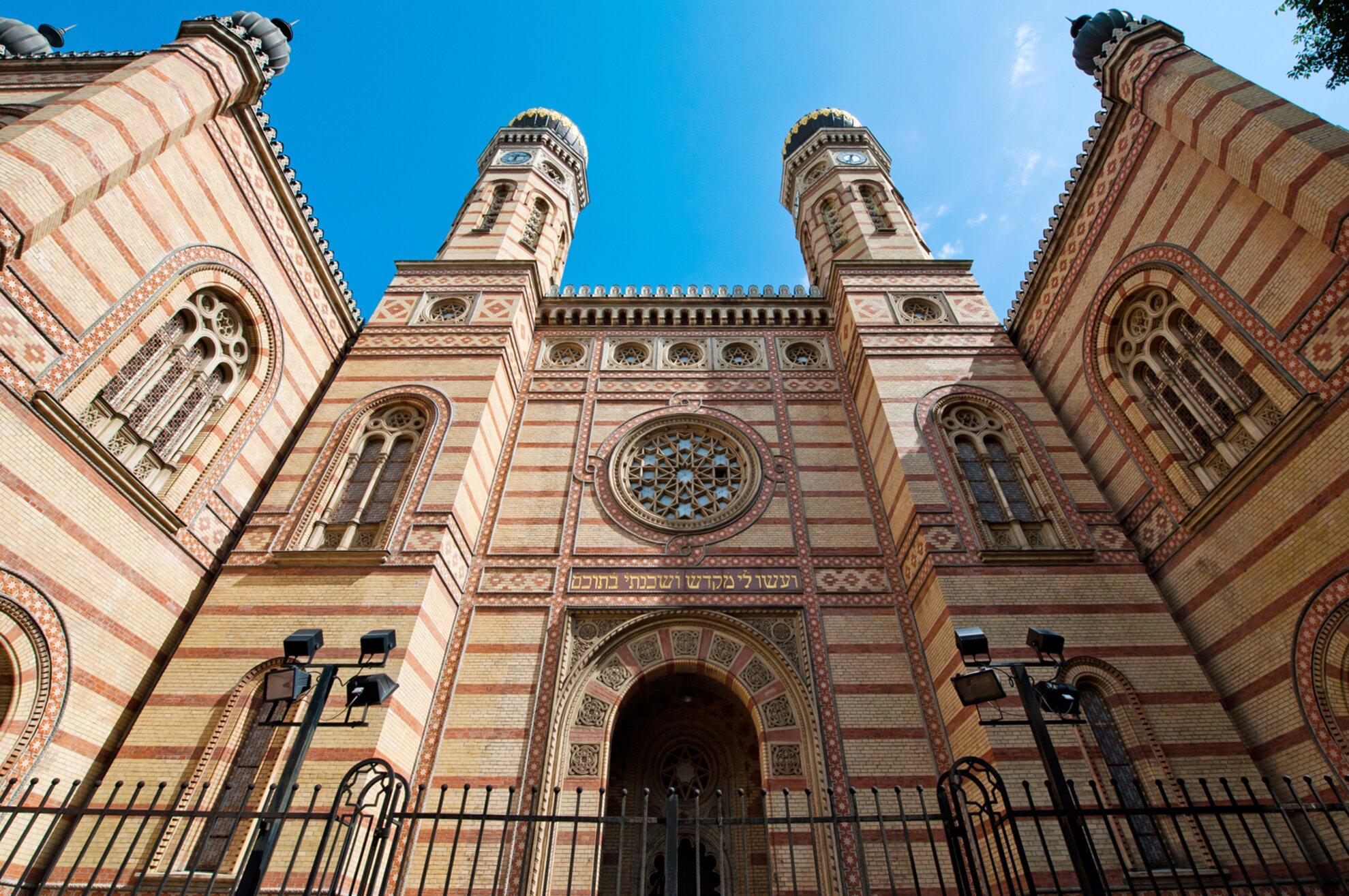
The Dohány Street synagogue is one of Budapest’s touristic highlights as it is the largest synagogue in Europe and the second largest in the world. The synagogue was built in 1859 in the Moorish style and it can seat 3000 people. Its huge size demonstrates the significance and the high economic and cultural standards of the Budapest Jewry of the age.
The temple was designed by Ludwig Förster (1797-1863), a German architect, professor of the Vienna Academy. The clerk of works was the architect Ignác Wechselmann (1828-1903) who later bequeathed his entire wealth to the Institute of the Blind. After Förster left, Frigyes Feszl, the famous architect of the Budapest Vigadó designed the temple’s inner sanctum. The official consecration of the synagogue took place on 6 September 1859. The interior of the synagogue is 1200 square metres, the towers are 44 metres high. There are 1497 seats for men downstairs and 1472 for women in the galleries, altogether the seating capacity of the flat-ceilinged inner space is nearly 3000 people.



 Atomic physics