en

 Ticket sale
Medicine

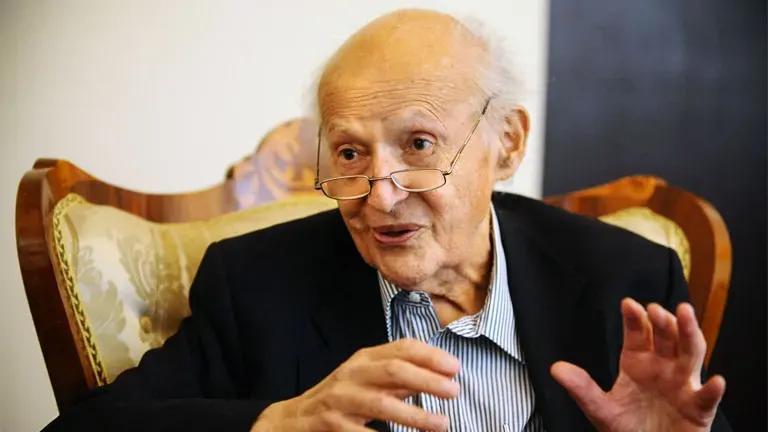
Being a member of the Royal Swedish Academy, I was appointed a member of the Nobel Prize Committee of Medicine and Physiology between 1957 and 1993, based on my activities in cell biology, immunology and cancer research

Birth name
Born
1925-07-28, Budapest
Deceased
2016-12-10, Stockholm
Education
Karolinska Institute in Stockholm, Sweden

Profession
Medicine
Scientific Degree
University degree
Awards
William B. Coley Award
Royal Swedish Academy of Sciences' Gregori Aminoff Prize
Paul Ehrlich and Ludwig Darmstaedter Prize
Rosenstiel Award
Balzan Prize for Tumor Biology

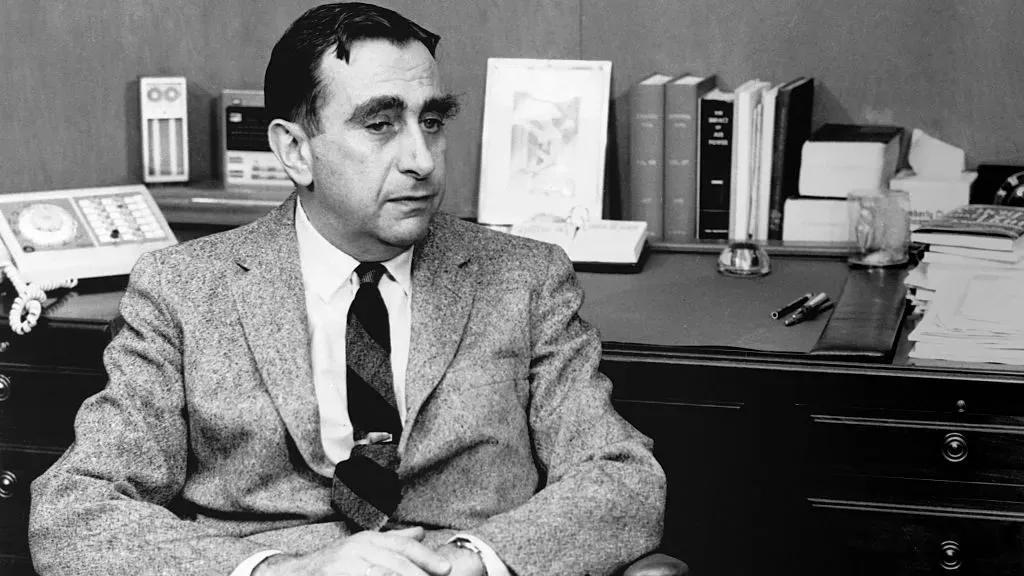
George Klein (or Georg Klein) was born in Budapest on July 28, 1925, and passed away in Stockholm on December 10, 2016. He was a Hungarian-Swedish cell biologist, immunologist, oncologist, and essayist. Klein was a Doctor of Biological Sciences and an honorary member of the Hungarian Academy of Sciences. He was internationally recognized for his research on the cellular processes involved in tumor formation and the virological and immunological aspects of cancer. From 1957 to 1993, he served as the head of the Department of Tumor Biology at the Karolinska Institute in Stockholm.Since 1947 until his death, he was married to Eva Klein (born 1925), an immunologist and oncologist. The couple had three children: a son who became a mathematician and two daughters, one of whom is a physician and the other a dramaturge.

He completed his secondary education at the Berzsenyi Dániel High School in Budapest and began his legal studies at the Erzsébet University in Pécs in 1944. Due to his Jewish heritage, in 1944, under decree 8935/1944 by the Ministry of the Interior, he was forced to move into the Budapest Ghetto. In 1945, he studied for one semester at the Faculty of Medicine at the University of Szeged and then continued his medical studies at the Faculty of Medicine at Pázmány Péter University in Budapest. While studying, he also worked as a demonstrator in histology from 1945 to 1946 and in pathology from 1946 to 1947 at the university.In 1947, he became a research fellow at the Department of Tumor Biology at the Karolinska Institute in Stockholm, and in early 1948, he permanently settled in Sweden. His primary research areas included the cell biology, cell genetics, virology, and immunology of cancer development, as well as the unique immune responses triggered by cancer cells and tumors. From 1948 until the end of his life, his wife, Eva Klein, was his closest collaborator at the Karolinska Institute, and together they clarified several questions in cell biology.

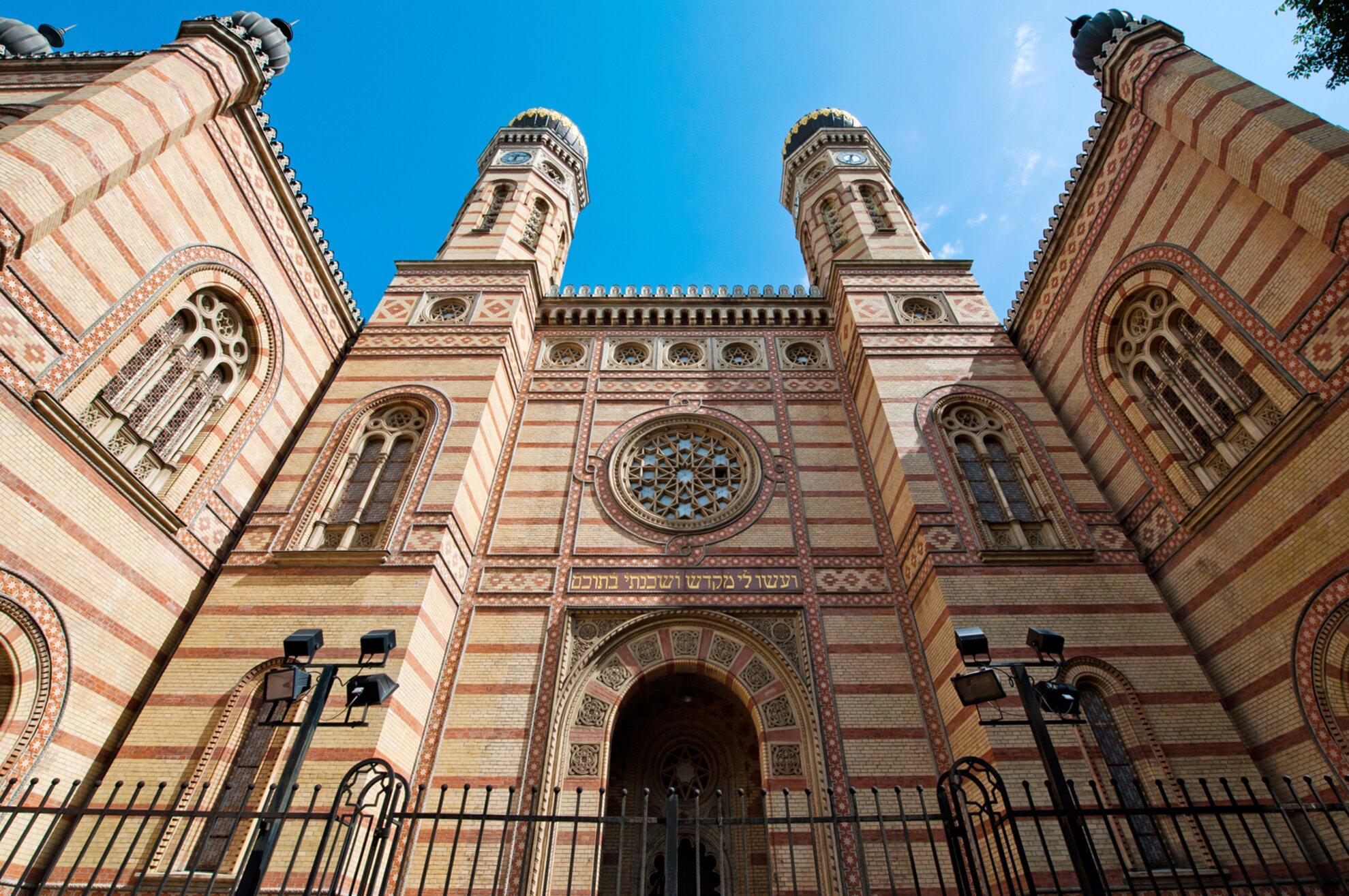
The Dohány Street synagogue is one of Budapest’s touristic highlights as it is the largest synagogue in Europe and the second largest in the world. The synagogue was built in 1859 in the Moorish style and it can seat 3000 people. Its huge size demonstrates the significance and the high economic and cultural standards of the Budapest Jewry of the age.
The temple was designed by Ludwig Förster (1797-1863), a German architect, professor of the Vienna Academy. The clerk of works was the architect Ignác Wechselmann (1828-1903) who later bequeathed his entire wealth to the Institute of the Blind. After Förster left, Frigyes Feszl, the famous architect of the Budapest Vigadó designed the temple’s inner sanctum. The official consecration of the synagogue took place on 6 September 1859. The interior of the synagogue is 1200 square metres, the towers are 44 metres high. There are 1497 seats for men downstairs and 1472 for women in the galleries, altogether the seating capacity of the flat-ceilinged inner space is nearly 3000 people.



 Atomic physics