en

 Ticket sale
Chemistry

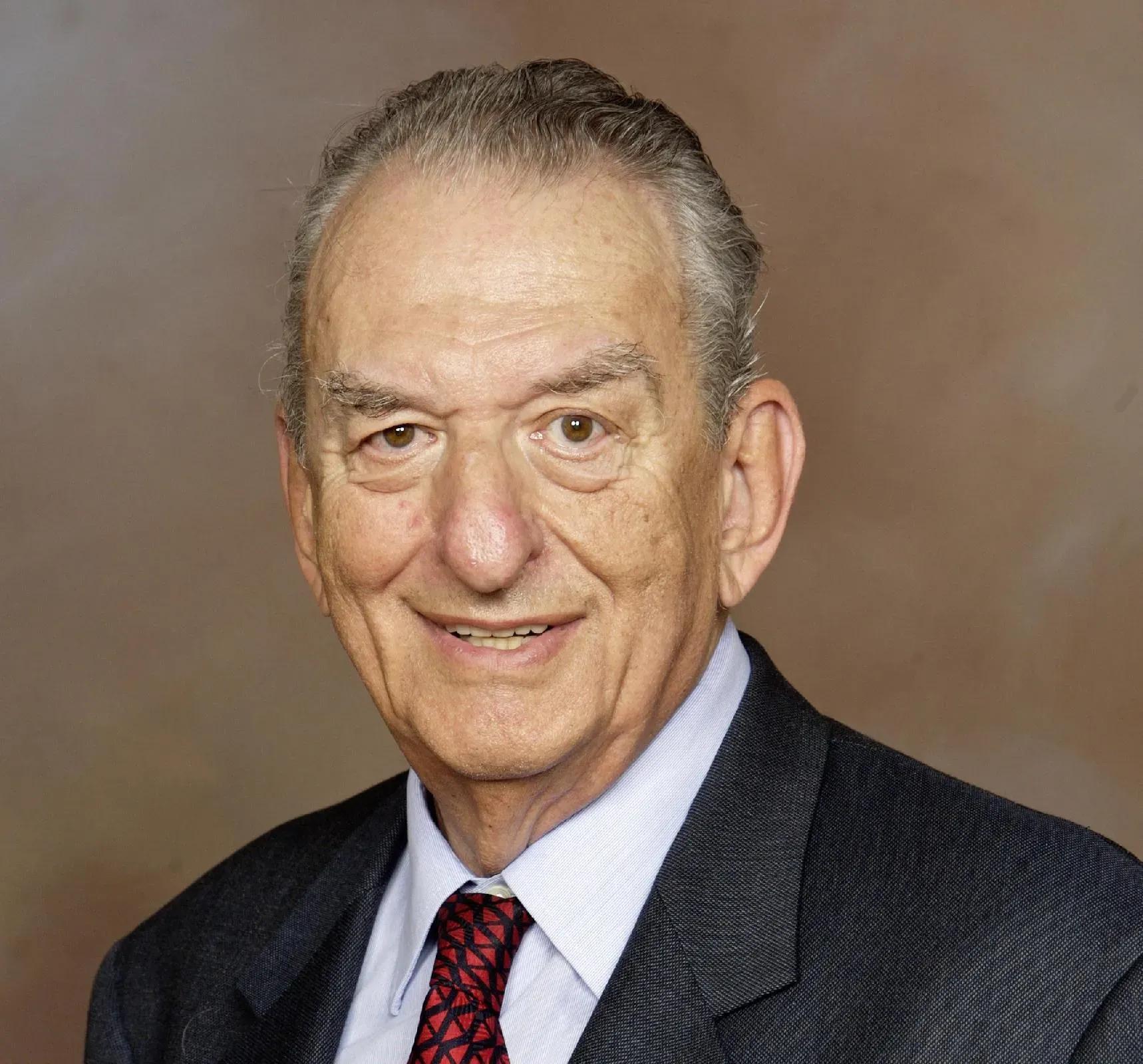
I was born in Budapest. In 1994, I received the Nobel Prize in Chemistry for studying the reactions and transformations of carbohydrate molecules.

Birth name
Oláh György
Born
1927-05-22, Budapest
Deceased
2017-03-08, Beverly Hills
Education
University of Technology and Economics of Budapest

Profession
Chemistry
Scientific Degree
Philosophiæ Doctor (Phd.)
Awards
Nobel Prize in Chemistry (1994)
Hungarian Corvin Chain (2001)
János Bolyai Creative Award (2002)
Priestley Medal (2005)
The center cross of the Hungarian Order of Merit with the star (2006)
Honorary citizen of Budapest (2006)
Széchenyi Prize (2011)

George Oláh (born on May 22, 1927, in Budapest – died on March 8, 2017, in Beverly Hills) was a Hungarian-born American chemist who was awarded the Nobel Prize in Chemistry in 1994 for his contributions to carbocation chemistry. He was also the recipient of the prestigious Hungarian Corvin Chain and the Széchenyi Grand Prize. Oláh is known for developing the direct methanol fuel cell, which attracted significant interest as a potential solution to the problem of global warming.

He completed his secondary education at the Piarist High School in Budapest. Following this, he studied chemistry at the Budapest University of Technology, where he earned his doctorate in 1949. In the following years, he taught at the university. He had a particular interest in organic chemistry and became a research assistant to Géza Zemplén, the most prestigious professor of organic chemistry in Hungary. During the 1950s, Oláh began publishing his research, and his early studies garnered international attention. From 1954 to 1956, he was the head of the Department of Organic Chemistry and co-director of the newly established Central Chemical Research Institute of the Hungarian Academy of Sciences, alongside Géza Schay. In 1965, Oláh received a job offer in Cleveland, United States, at Case Western Reserve University. In 1977, he was appointed scientific director of the university's Hydrocarbon Research Institute. From 1991, he served as the director of the Loker Hydrocarbon Research Institute in Los Angeles. The most significant result of his research was in the study of carbocations. On October 12, 1994, the Royal Swedish Academy of Sciences announced that Oláh György would be awarded the Nobel Prize in Chemistry for his work in this field, which he received on December 10.

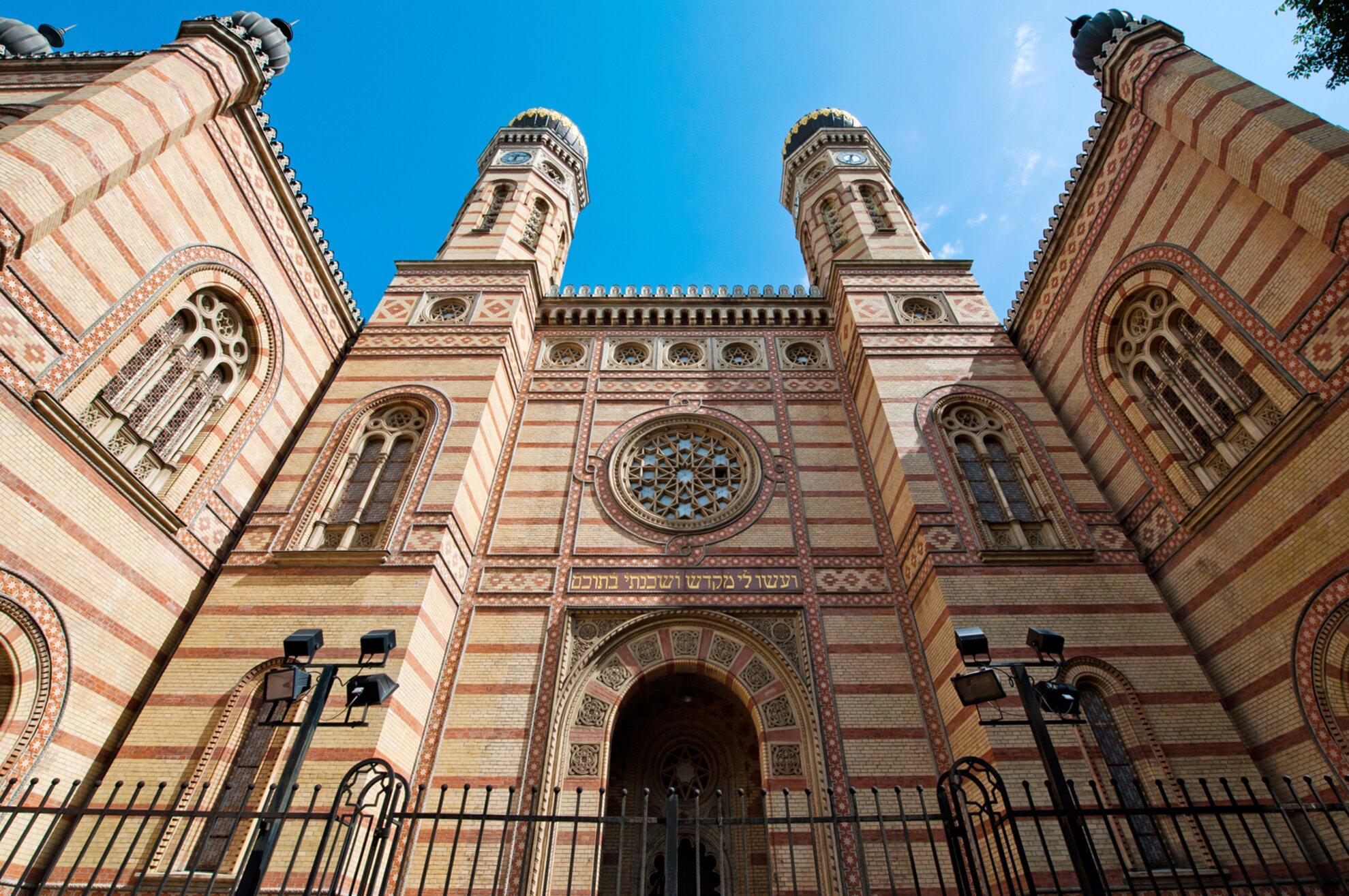
The Dohány Street synagogue is one of Budapest’s touristic highlights as it is the largest synagogue in Europe and the second largest in the world. The synagogue was built in 1859 in the Moorish style and it can seat 3000 people. Its huge size demonstrates the significance and the high economic and cultural standards of the Budapest Jewry of the age.
The temple was designed by Ludwig Förster (1797-1863), a German architect, professor of the Vienna Academy. The clerk of works was the architect Ignác Wechselmann (1828-1903) who later bequeathed his entire wealth to the Institute of the Blind. After Förster left, Frigyes Feszl, the famous architect of the Budapest Vigadó designed the temple’s inner sanctum. The official consecration of the synagogue took place on 6 September 1859. The interior of the synagogue is 1200 square metres, the towers are 44 metres high. There are 1497 seats for men downstairs and 1472 for women in the galleries, altogether the seating capacity of the flat-ceilinged inner space is nearly 3000 people.



 Atomic physics