en

 Ticket sale
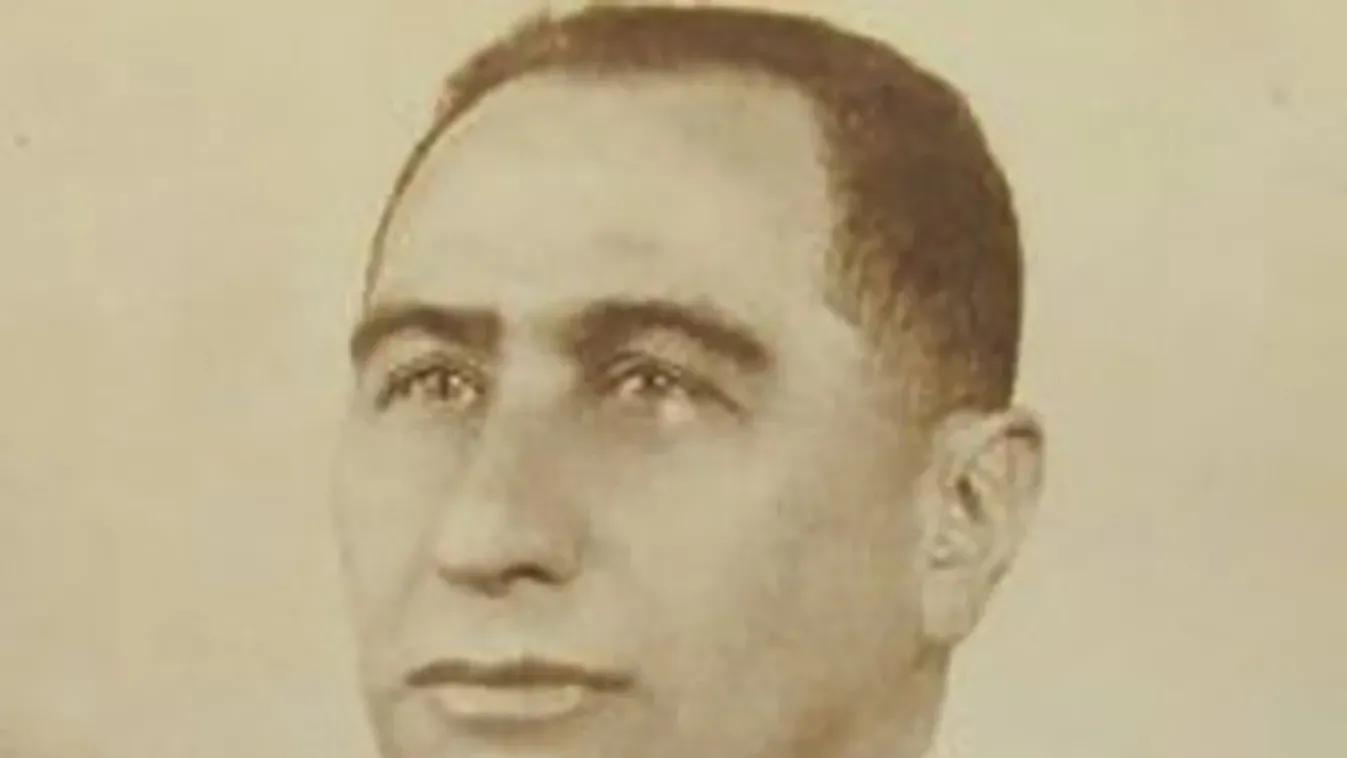

I was born in Assakürt (today in Slovakia) to a family of Jewish innkeepers on both sides. I was one of the biggest supporter of Hungarian Jewish communities, cultural and aid organisations.

Birth name
Born
1872-01-27, Assakürt
Deceased
1952-01-18, Budapest

Awards

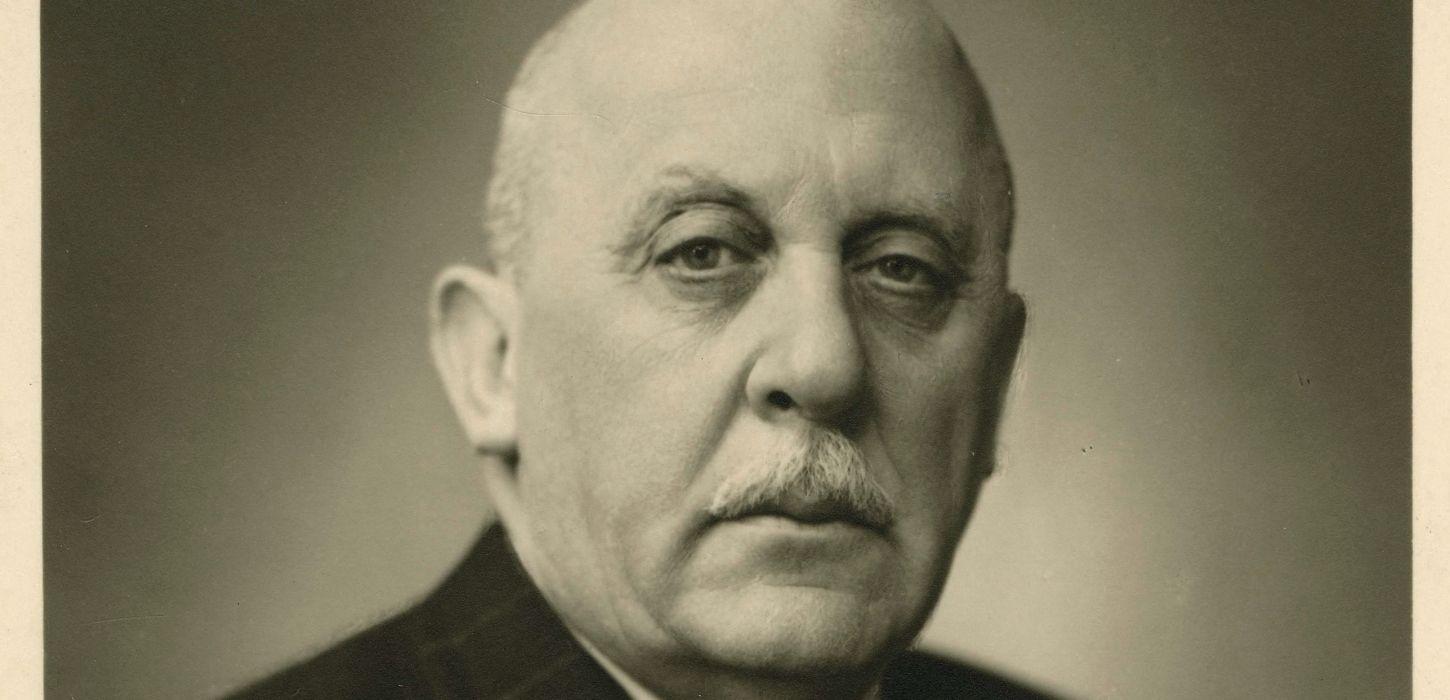
Lipót Aschner (born in Assakürt, January 27, 1872 – died in Budapest, January 18, 1952) was a businessman who played a crucial role in the flourishing of the United Incandescent Lamp and Electrical Company (Egyesült Izzólámpa és Villamossági Rt.), and he was the person behind the naming of the Tungsram brand. He also served as the president and patron of the Újpesti Torna Egylet (Újpest Gymnastics Association) and is often referred to as "the Mechwart of Hungarian lighting technology."

His father, Ármin Aschner (1834–1904), was a general merchant, and with limited means, he could only afford to send his son through four years of public school—thus, young Lipót Aschner became a merchant's assistant. After moving to Budapest, he joined the company of Béla Egger & Co. on Huszár Street in 1896, which was the predecessor of the United Incandescent Lamp and Electrical Company (Egyesült Izzólámpa és Villamossági Rt.). The diligent young man, who spoke several languages, began as a junior clerk and by 1904 was promoted to deputy director. A few years later, he became the director of lamp sales, and in 1918, he became the commercial director. By 1921, he was appointed the company's first CEO.Under his leadership, the company developed into a modern international corporation. Operating under the name Tungsram, it became part of a global cartel that included the largest incandescent lamp manufacturing companies. By 1936, the company was producing nearly 20 million incandescent lamps and 2.5 million electron tubes. Tungsram successfully integrated research and production, managing everything from component manufacturing and product development to final production and sales.Aschner recognized that one of the pillars of 20th-century progress was the training of specialists, and he was willing to support this financially if necessary. In 1935, he offered 2,500 pengős annually to Minister of Culture Bálint Hóman for this purpose, insisting on remaining anonymous. Although Aschner kept away from daily politics, he was deeply involved in public life. When the factory moved to Újpest, he became a resident there and was elected a city councilor as early as 1907.He also had a strong sense of social responsibility. He built workers' housing, a swimming pool, weekend retreat facilities, and a cultural center. Aschner was a member of the supervisory board of the Pest Hungarian Commercial Bank, which held a majority of the factory's shares. He also served on the boards of several other industrial companies and was a member of the National Association of Hungarian Industrialists (GYOSZ) and vice president of the National Association of Ironworks and Machinery Factories. His international reputation was such that in 1931, he was elected president of the global cartel formed in 1924, which represented 90–95% of the world's incandescent lamp factories.

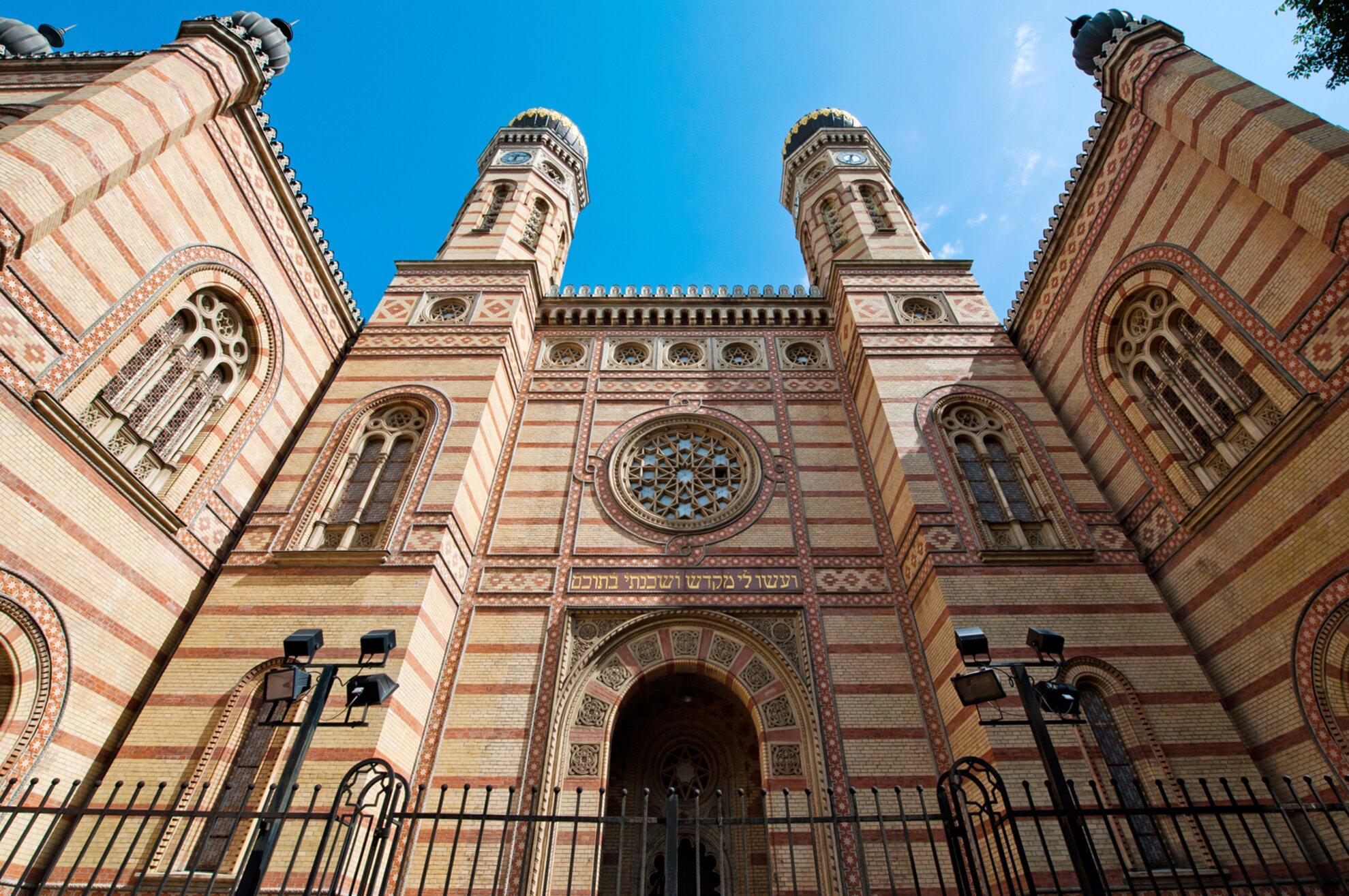
The Dohány Street synagogue is one of Budapest’s touristic highlights as it is the largest synagogue in Europe and the second largest in the world. The synagogue was built in 1859 in the Moorish style and it can seat 3000 people. Its huge size demonstrates the significance and the high economic and cultural standards of the Budapest Jewry of the age.
The temple was designed by Ludwig Förster (1797-1863), a German architect, professor of the Vienna Academy. The clerk of works was the architect Ignác Wechselmann (1828-1903) who later bequeathed his entire wealth to the Institute of the Blind. After Förster left, Frigyes Feszl, the famous architect of the Budapest Vigadó designed the temple’s inner sanctum. The official consecration of the synagogue took place on 6 September 1859. The interior of the synagogue is 1200 square metres, the towers are 44 metres high. There are 1497 seats for men downstairs and 1472 for women in the galleries, altogether the seating capacity of the flat-ceilinged inner space is nearly 3000 people.



 Atomic physics