en

 Ticket sale
Physics

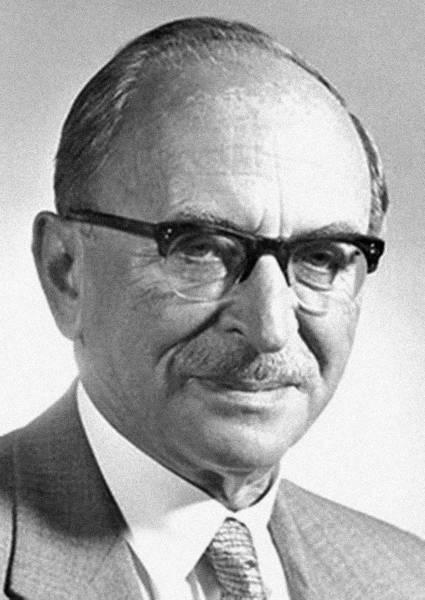
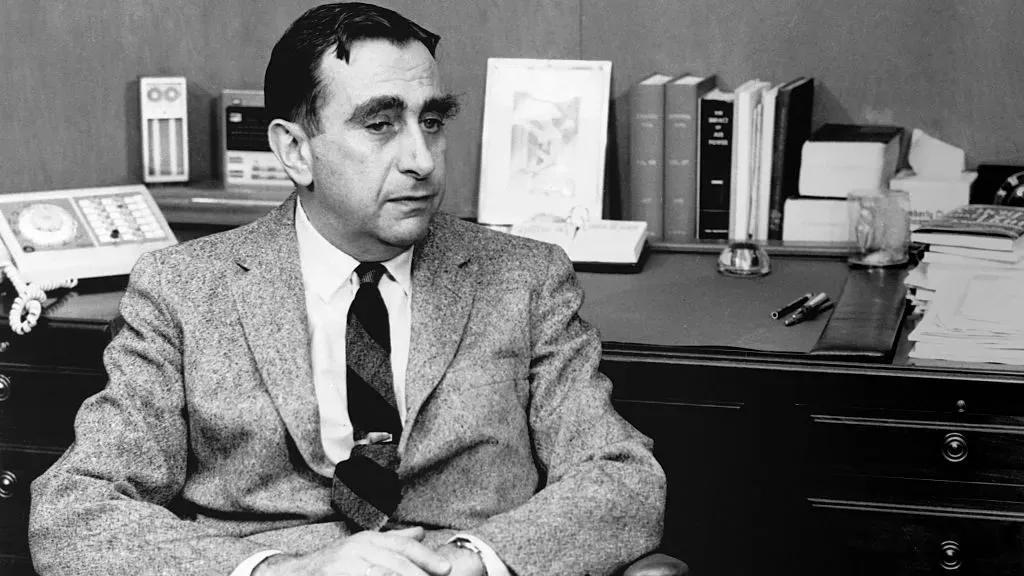
I was born in Budapest. I was a professor of electron optics and applied electron physics at Imperial College. I was awarded the Nobel Prize for the invention of the holographic method in 1971.

Birth name
Günszberg Dénes
Born
1900-06-05, Budapest
Deceased
1979-07-09, London
Education
József Hungarian Academy of Arts
Humboldt University
Berlin University of Technology

Profession
Physics
Scientific Degree
University degree
Awards
Young Medal and Prize (1967)
Albert A. Michelson Medal (1968)
Rumford-medal(1968)
Commander of the Order of the British Empire (1970)
IEEE Medal of Honor (1970)
Nobel Prize in Physics (1971)
National Inventors Hall of Fame (2012)

He was born in Terézváros, into a Jewish family. His father, Bernát Günszberg, worked at the Hungarian General Coal Mining Company (MÁK Rt.) as a chief accountant, later becoming a company director until 1928. His mother was Adél Jakobovits. The parents married in 1899 and had three children: Dénes (born in 1900), György (born in 1901), and Endre (born in 1903). On March 8, 1902, the father, along with his sons, received permission to change their family name to "Gábor."

He attended the Szemere Street Municipal Elementary School (1906–1910) and completed his secondary education at the Main Real School on Markó Street in District V, Budapest (1910–1918). On November 14, 1911, the patent description for the "Aeroplane Carousel" was issued (the application was filed on October 8, 1910). He graduated from high school on March 6, 1918, and was drafted into the military on March 15. He returned home after the armistice in Northern Italy. During this time, he learned Italian, which became his fourth language. In November, he enrolled in the mechanical engineering department of the Royal Joseph Technical University of Technology and Economics. On May 24, 1919, he converted to the Lutheran faith. From 1920, he continued his studies in Berlin at the Technische Hochschule in Charlottenburg, where he regularly attended lectures at the university, including Albert Einstein's seminars. In 1924, he earned an engineering degree from Humboldt University in Berlin. From 1933 to 1934, he worked in the research laboratory of United Incandescent, focusing on the physics of gas discharge. In 1934, he permanently settled in England and became a British citizen. From 1934 to 1948, he worked at the British Thomson-Houston Company's research laboratory in Rugby.

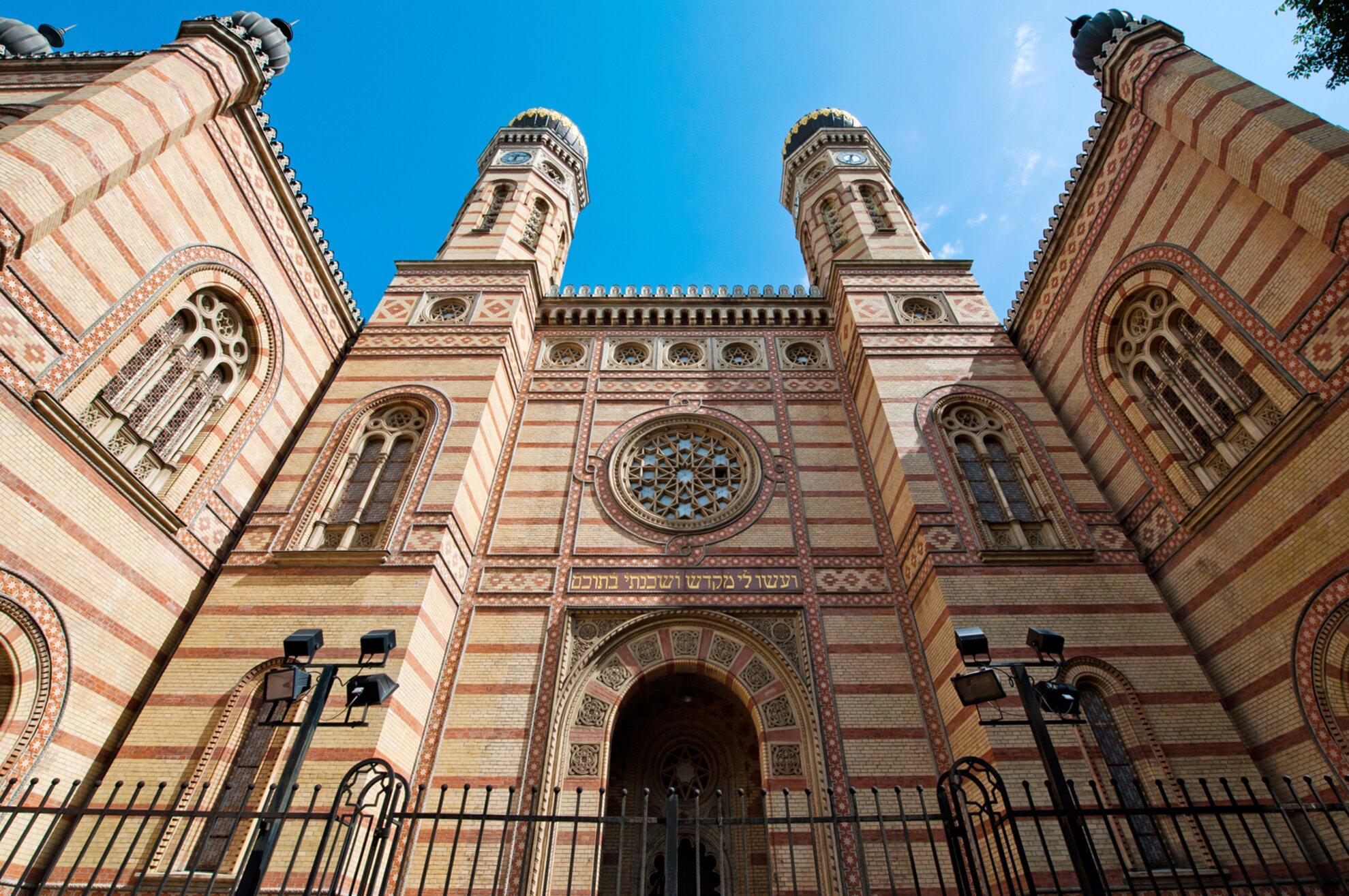
The Dohány Street synagogue is one of Budapest’s touristic highlights as it is the largest synagogue in Europe and the second largest in the world. The synagogue was built in 1859 in the Moorish style and it can seat 3000 people. Its huge size demonstrates the significance and the high economic and cultural standards of the Budapest Jewry of the age.
The temple was designed by Ludwig Förster (1797-1863), a German architect, professor of the Vienna Academy. The clerk of works was the architect Ignác Wechselmann (1828-1903) who later bequeathed his entire wealth to the Institute of the Blind. After Förster left, Frigyes Feszl, the famous architect of the Budapest Vigadó designed the temple’s inner sanctum. The official consecration of the synagogue took place on 6 September 1859. The interior of the synagogue is 1200 square metres, the towers are 44 metres high. There are 1497 seats for men downstairs and 1472 for women in the galleries, altogether the seating capacity of the flat-ceilinged inner space is nearly 3000 people.



 Atomic physics