en

 Ticket sale
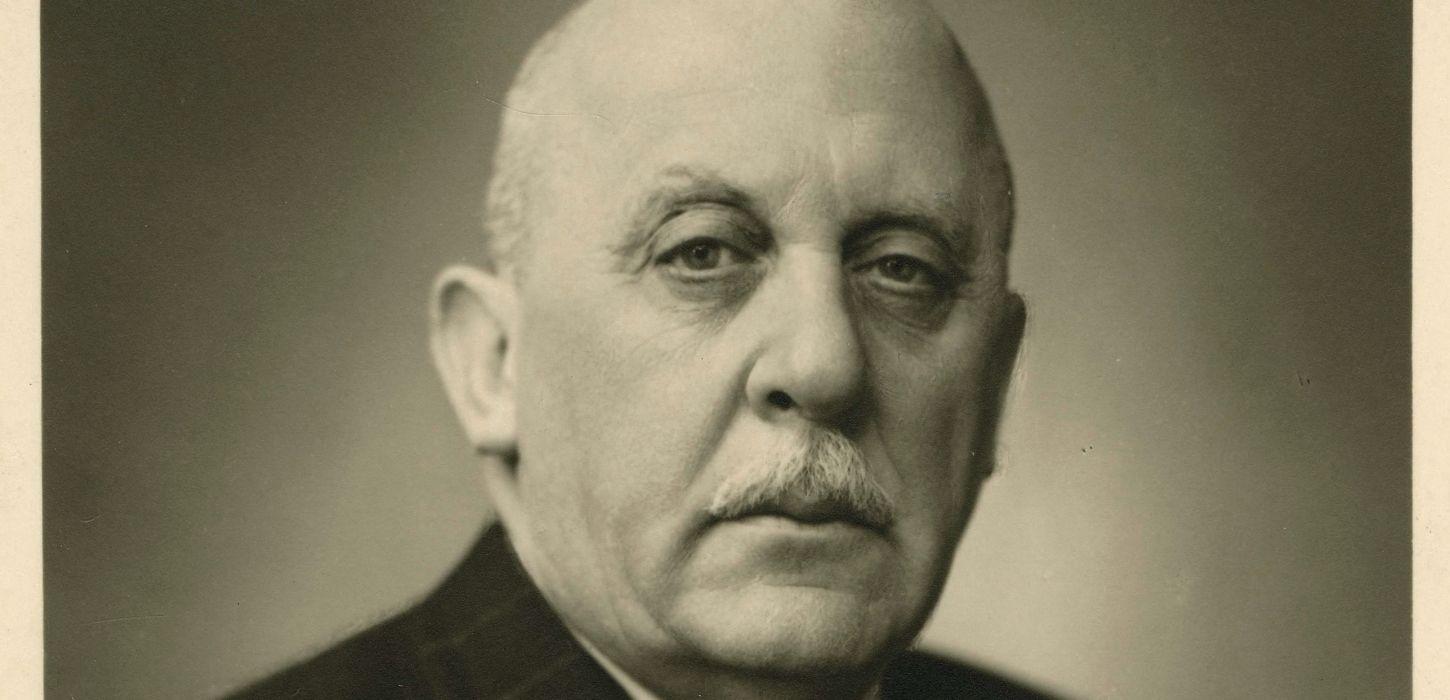

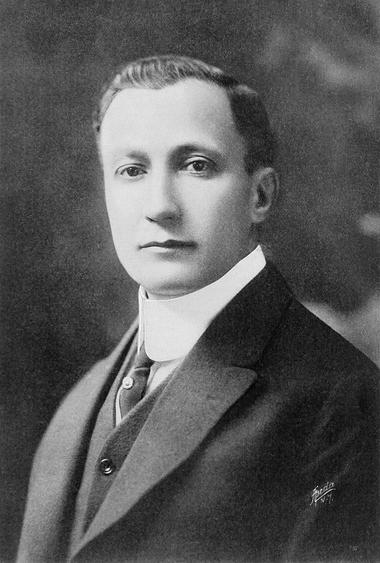
I was born in Budapest. I played a big role in modernising the Hungarian textile industry in the first decades of the 20th century, and became the president-CEO of the Goldberger Factory founded in 1785.

Birth name
Born
1896-05-02, Budapest
Deceased
1945-05-05, Budapest

Awards

Leó Goldberger, known by his adopted name Dr. Buday-Goldberger Leó (born May 2, 1878, in Budapest – died May 5, 1945, in Mauthausen), was a notable figure in the Hungarian textile industry, playing a significant role in its modernization during the early decades of the 20th century. He was the president and CEO of the Goldberger factory, which was founded in 1785, and also served as the director of the National Association of Hungarian Industrialists (GYOSZ). Additionally, he was the president of the National Association of Hungarian Textile Manufacturers, a board member of the Hungarian Foreign Trade Institute, and a chief advisor to the Hungarian National Bank. From 1935, he was a member of the Upper House of the Hungarian Parliament.On March 19, 1944, the day of the German occupation of Hungary, the Gestapo arrested him and deported him to a concentration camp. He died shortly after the liberation of the Mauthausen camp.

He obtained a law degree in Budapest and Vienna before joining the family business. He served as managing director, CEO, and later, after his father's death, as vice president and CEO. In 1920, he became the president and CEO of the company.During World War I, the company was a supplier to the military. Due to challenges in raw material supply, Leó Goldberger considered establishing his own spinning and weaving mills in addition to the fabric finishing and printing operations. This idea materialized after the war, in 1923, when the company, with the help of foreign investors, built a weaving mill in Kelenföld. In 1927, they added a spinning mill, which later operated under the name Kelenföldi Textilgyár (KELTEX). In 1930, a silk weaving mill was established, followed by a vigogne spinning mill in 1932.In 1922, the company purchased the office building in downtown Budapest on what is now Arany János Street, where they had previously rented space. This building housed the central offices and a significant portion of the finished goods warehouse. (The building still stands today, with the "Goldberger" inscription still visible. It currently houses a department of the Central European University.)

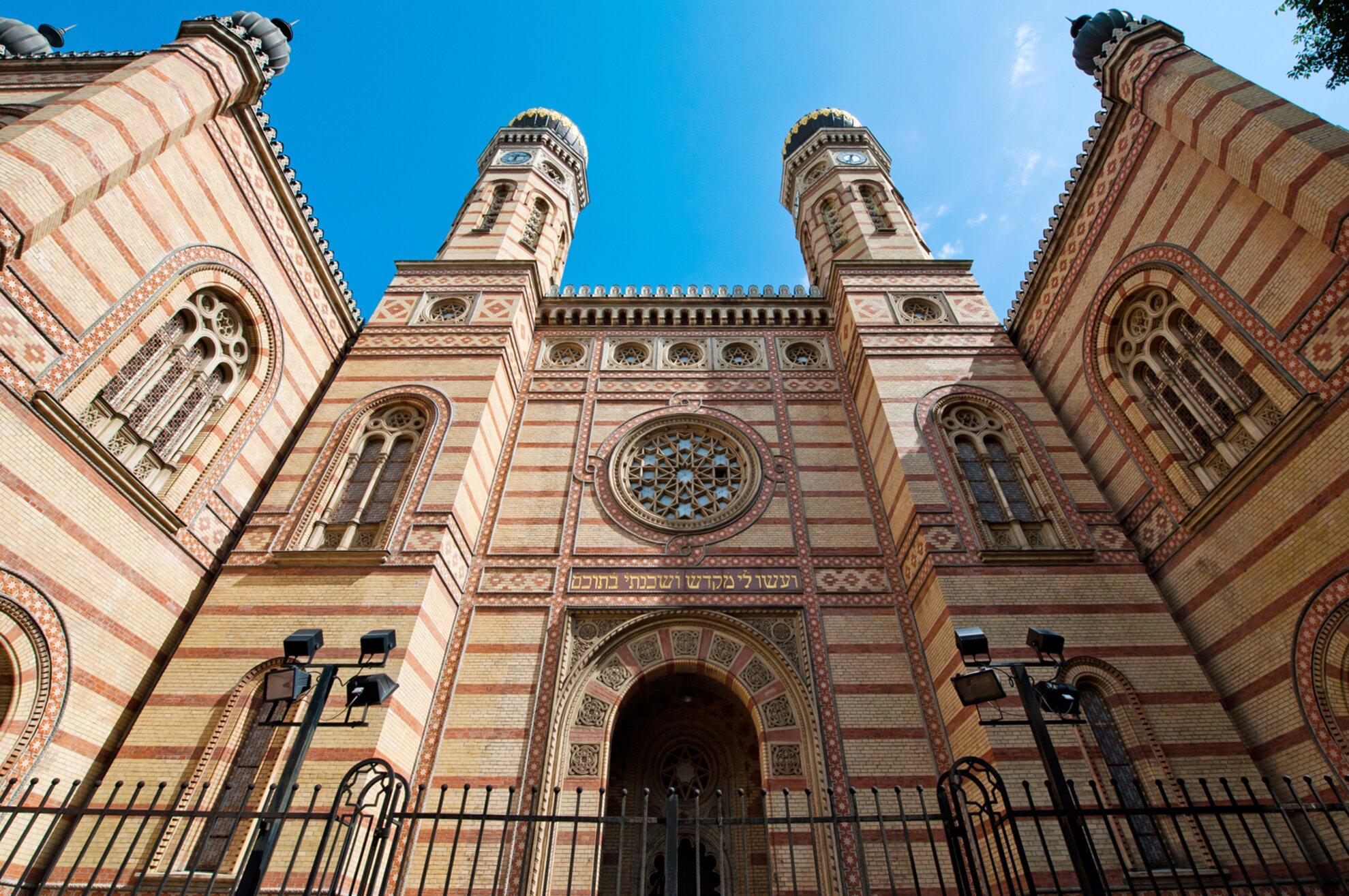
The Dohány Street synagogue is one of Budapest’s touristic highlights as it is the largest synagogue in Europe and the second largest in the world. The synagogue was built in 1859 in the Moorish style and it can seat 3000 people. Its huge size demonstrates the significance and the high economic and cultural standards of the Budapest Jewry of the age.
The temple was designed by Ludwig Förster (1797-1863), a German architect, professor of the Vienna Academy. The clerk of works was the architect Ignác Wechselmann (1828-1903) who later bequeathed his entire wealth to the Institute of the Blind. After Förster left, Frigyes Feszl, the famous architect of the Budapest Vigadó designed the temple’s inner sanctum. The official consecration of the synagogue took place on 6 September 1859. The interior of the synagogue is 1200 square metres, the towers are 44 metres high. There are 1497 seats for men downstairs and 1472 for women in the galleries, altogether the seating capacity of the flat-ceilinged inner space is nearly 3000 people.


 Atomic physics