en

 Ticket sale
Chemistry

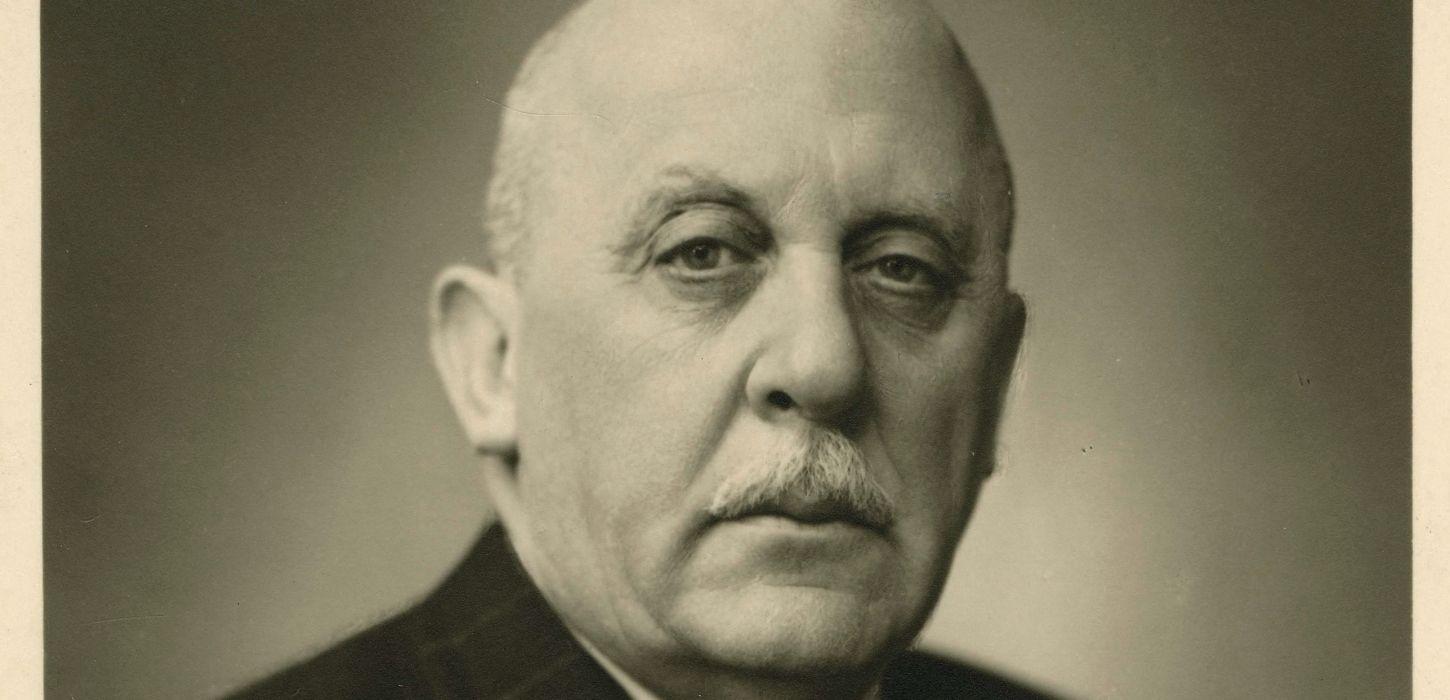
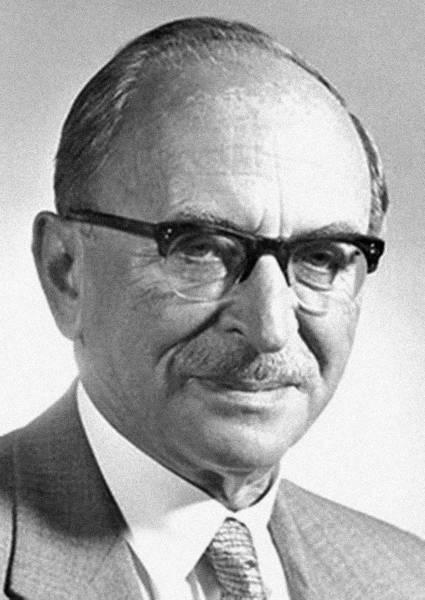
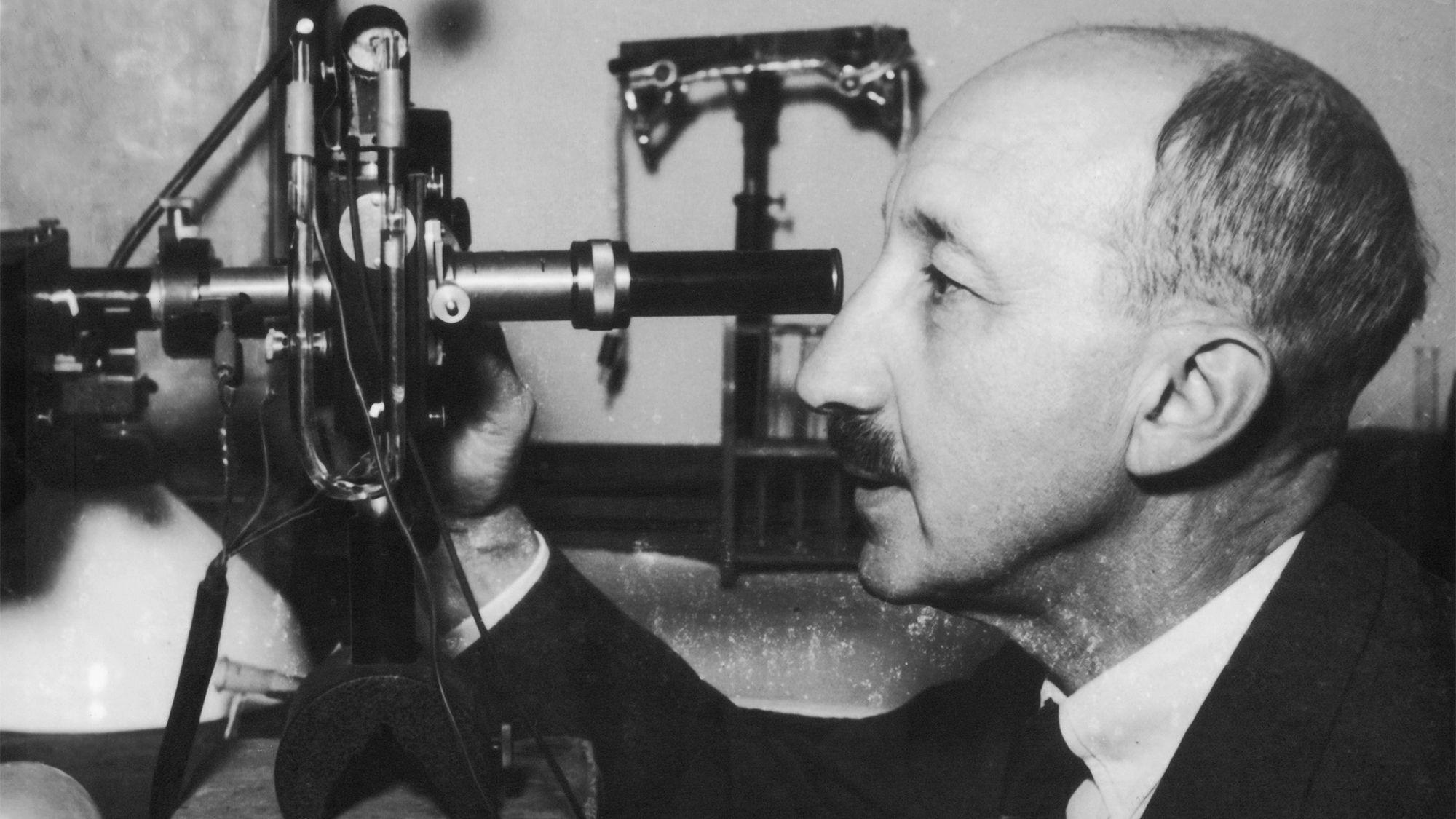
I was born in Budapest by the name of György Bischitz. In 1943, I was awarded with the Nobel Prize in Chemistry for researching the application of isotope tracers.

Birth name
Hevesy György
Born
1885-08-01, Budapest
Deceased
1966-07-05, Freiburg
Education
Albert Ludwig University, Freiburg
Eötvös Loránd University
Berlin University of Technology
Piarist High School

Profession
Chemistry
Scientific Degree
University degree
Awards
Copley-érem (1949)
Niels Bohr International Gold Medal (1961)
Faraday Lectureship Prize (1950)
Kémiai Nobel-díj (1943)
Foreign Member of the Royal Society (1939)

György Hevesy (also known as György Bischitz) was a prominent figure in 20th-century science. He was born on August 1, 1885, in Budapest, and throughout his career, he had a significant impact on the development of chemistry and biochemistry. He is especially known for developing the radioactive tracer method, which enabled detailed studies of biological processes, such as metabolism.During World War I, he served in the Austro-Hungarian Army, and after the war, he continued his research and teaching activities at the Department of Chemistry at the Budapest Veterinary College. In 1943, he moved to Stockholm with his family, where he was awarded the Nobel Prize for his application of radioactive isotopes as indicators. That same year, he was elected a member of the Hungarian Academy of Sciences.Hevesy received numerous honors, including the Atoms for Peace Award in 1959, and in 1966, he had a special audience with the Pope. Throughout his career, he published a total of 397 papers. He passed away on July 5, 1966, in Freiburg im Breisgau.

Hevesy grew up in Budapest and graduated from the Piarist High School in 1903. He began his university studies at the University of Budapest and then continued at the Technical University of Berlin a year later. He earned his doctorate in physics in Freiburg in 1908, but his interests shifted towards chemistry. He went to Zurich, where he took up a position as an assistant professor at the Technische Hochschule under Richard Lorenz.In 1911, he traveled to Manchester, England, where he worked in Rutherford's laboratory. At Rutherford's request, he began researching the topic that would later earn him the Nobel Prize in Chemistry. During the first half of 1912, he became acquainted with and formed a friendship with Niels Bohr.Hevesy received numerous job offers, ultimately accepting the position of head of the Department of Physical Chemistry at the University of Freiburg. His scientific research was financially supported by the Rockefeller Foundation, leading to a productive period in his life. He developed the X-ray fluorescence analytical method and discovered that samarium emits radioactive alpha particles.He was honored as an honorary doctor by many universities around the world, became a member of the Royal Society, and received the Copley Medal, of which he was particularly proud.

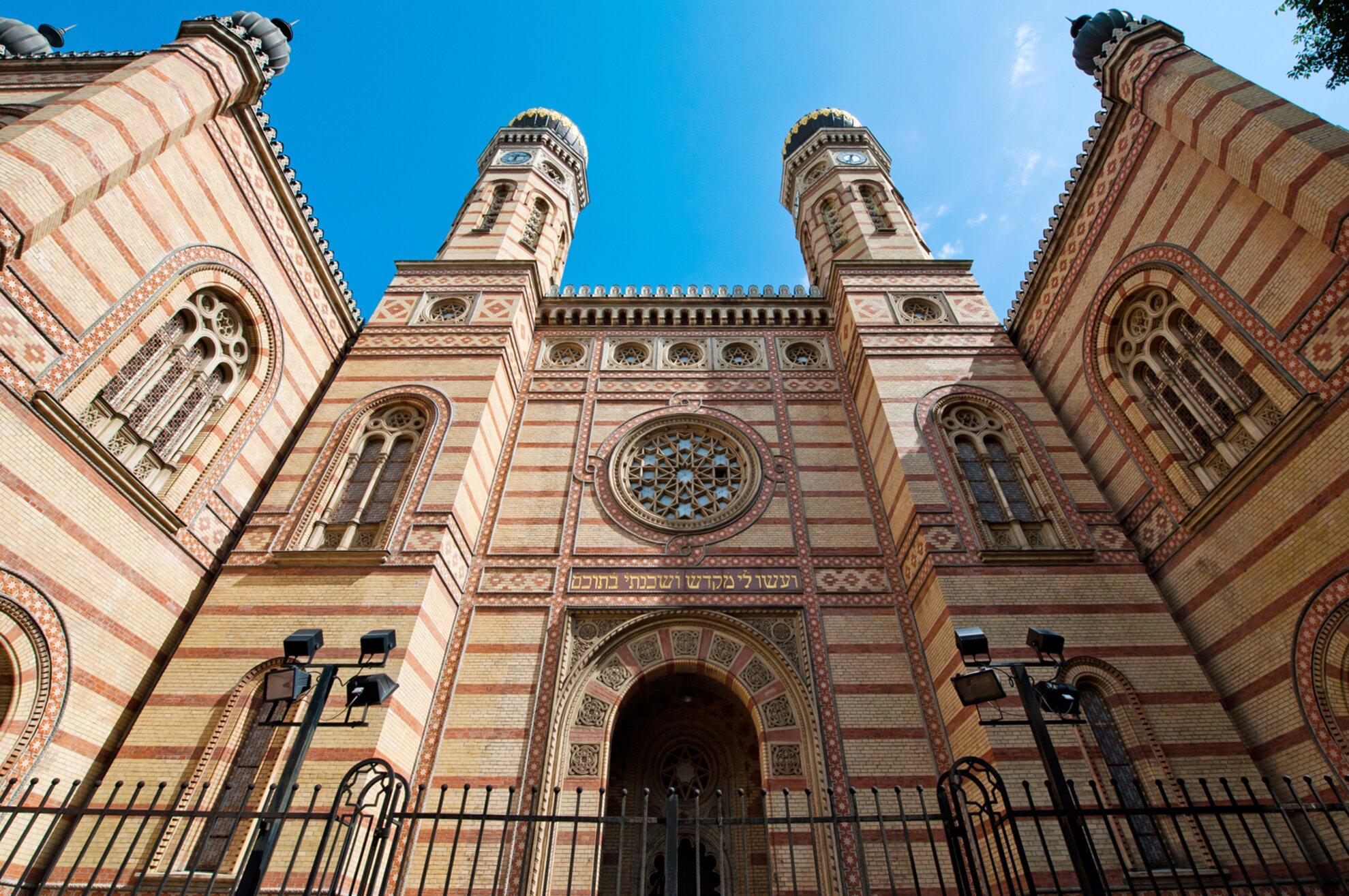
The Dohány Street synagogue is one of Budapest’s touristic highlights as it is the largest synagogue in Europe and the second largest in the world. The synagogue was built in 1859 in the Moorish style and it can seat 3000 people. Its huge size demonstrates the significance and the high economic and cultural standards of the Budapest Jewry of the age.
The temple was designed by Ludwig Förster (1797-1863), a German architect, professor of the Vienna Academy. The clerk of works was the architect Ignác Wechselmann (1828-1903) who later bequeathed his entire wealth to the Institute of the Blind. After Förster left, Frigyes Feszl, the famous architect of the Budapest Vigadó designed the temple’s inner sanctum. The official consecration of the synagogue took place on 6 September 1859. The interior of the synagogue is 1200 square metres, the towers are 44 metres high. There are 1497 seats for men downstairs and 1472 for women in the galleries, altogether the seating capacity of the flat-ceilinged inner space is nearly 3000 people.



 Atomic physics